Sailman
New Member
WC/EM & AC/EM - What?
Serial Hybrid? Surely it's series hybrid or do boats have different terminology?
Serial Hybrid? Surely it's series hybrid or do boats have different terminology?


With a serial / parallel hybrid running in 100% electric mode would a donk donk sound effect module be required perhaps?
WC/EM & AC/EM - What?
Serial Hybrid? Surely it's series hybrid or do boats have different terminology?

I do not particularly like narrow boats, each to their own of course, but a narrow boat that does not donk donk donk as it goes along will spoil it! i like the sound of a simple donk donk engine. fishing boats with a cement mixer engine sound the same, very relaxing.
You might need to provide more detailed, explanatory information.Even better if the hiss of a blowlamp is followed by Donk..........Donk...........Donk............Donk..........Plus of course enormous smoke rings from a 200mm dia exhaust.

Different terminology to what? Car manufacturers don't need to go into the nitty-gritty of their systems, so don't talk of series/serial/parallel, and their customers are just buying what is on offer. Boat people, on the other hand, are more practical and need to know the ins and out of their hardware.WC/EM & AC/EM - What?
Serial Hybrid? Surely it's series hybrid or do boats have different terminology?
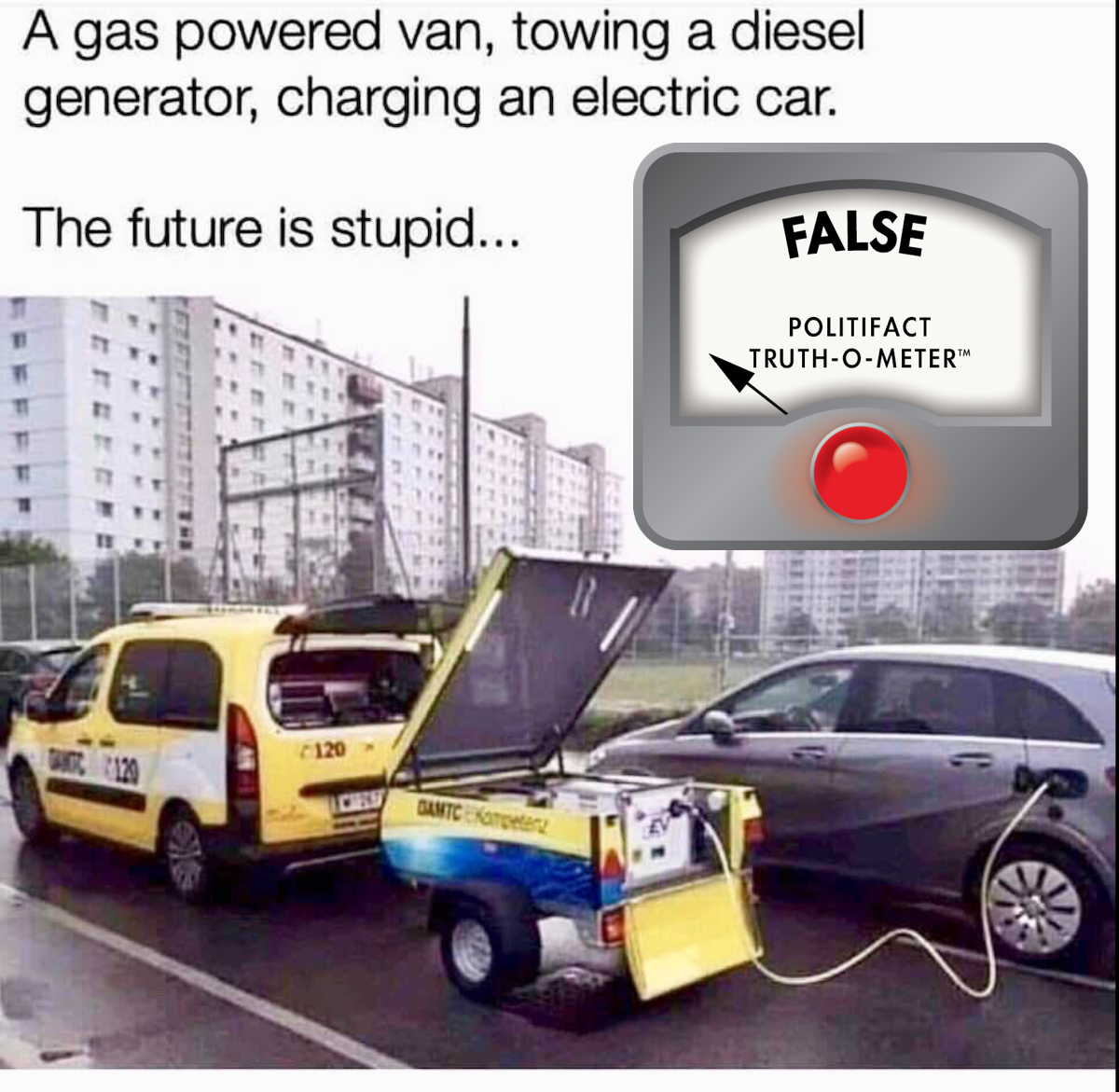
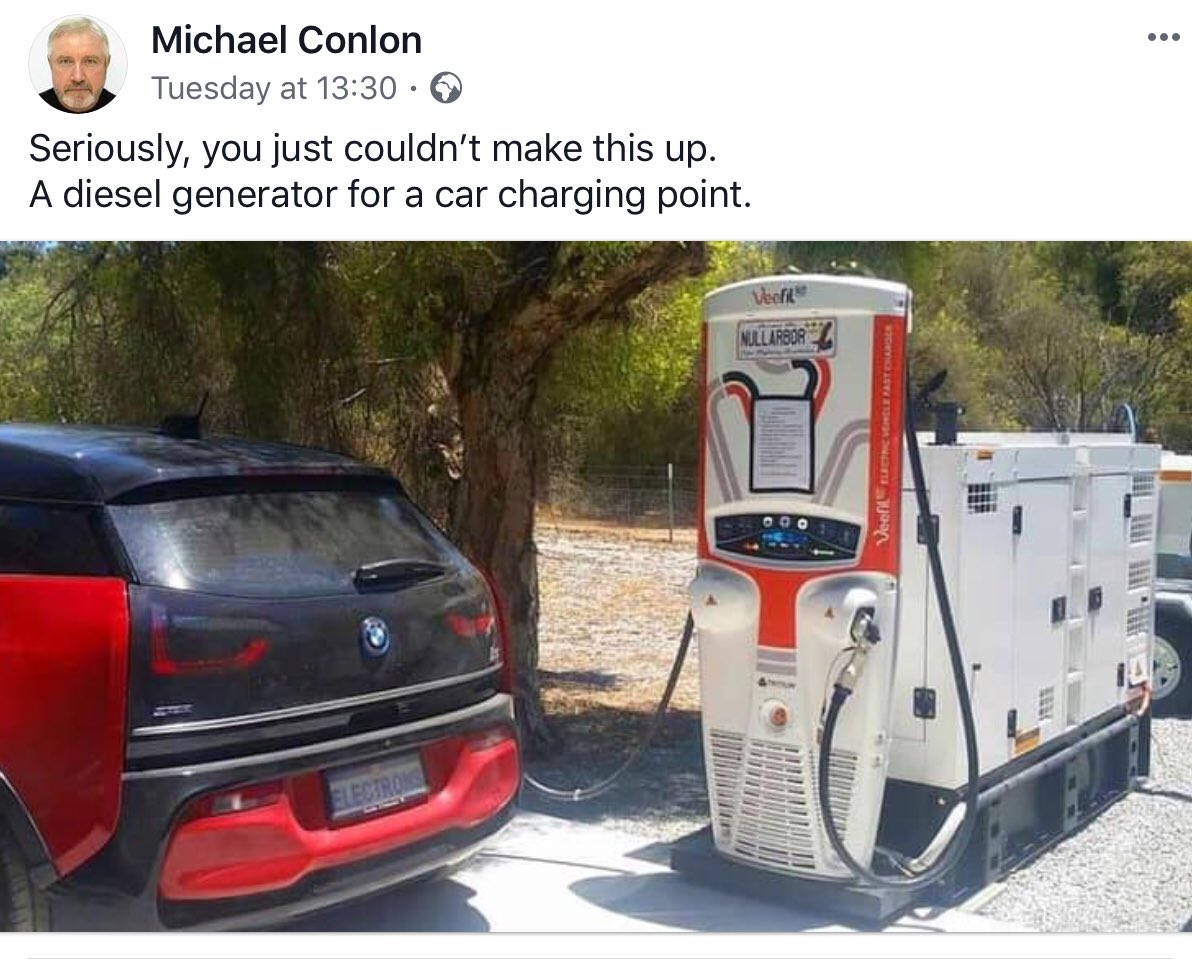
I wondered why the article was published at all. There was no race, as per the title, and absolutely no data or results of the relative performance. I am at a loss at to how the electric propulsion is considered "clean" with a diesel generator humming away to power it?
Rob.

The deceit of the Carbon Free lobby. Tesla Factory Store Uses Diesel Generators to Recharge Slow-moving Model 3 Inventory - The Truth About CarsI wondered why the article was published at all. There was no race, as per the title, and absolutely no data or results of the relative performance. I am at a loss at to how the electric propulsion is considered "clean" with a diesel generator humming away to power it?
Rob.
When I was at college, many years ago , our lecturer got very annoyed when one referred to "cement" mixers. He pointed out that they were generally either "concrete" mixers or "mortar" mixers. ie cement was only a constituent part of the final product. If one wanted to call it a cement mixer one might as well call it an "aggregate" mixer.i like the sound of a simple donk donk engine. fishing boats with a cement mixer engine sound the same, very relaxing.
The deceit of the Carbon Free lobby. Tesla Factory Store Uses Diesel Generators to Recharge Slow-moving Model 3 Inventory - The Truth About Cars
When I was at college, many years ago , our lecturer got very annoyed when one referred to "cement" mixers. He pointed out that they were generally either "concrete" mixers or "mortar" mixers. ie cement was only a constituent part of the final product. If one wanted to call it a cement mixer one might as well call it an "aggregate" mixer.
As a builder, I purchased different plant for producing mortar for the bricklayers or plasterers, to that used for concrete for the groundworkers. The drums were a slightly different shape. So the difference has always stuck with me.
Hence I have always tended to look upon the term "cement mixer" as a DIY term suitable for the domestic B&Q customer
Well the thread was about wording, was it not? so it is not really that far off the subject. & i did not bring up the subject of mixers.Quick, lads, the thread ran off in that direction; after it!
All the boat stuff makers say series hybrid or parallel hybrid. In the electrical world it's series or parallel for some reason, no other option is acceptable. Anyone saying serial & not series in this context is usually run out of town on a donkey rightly or wrongly.Different terminology to what? Car manufacturers don't need to go into the nitty-gritty of their systems, so don't talk of series/serial/parallel, and their customers are just buying what is on offer. Boat people, on the other hand, are more practical and need to know the ins and out of their hardware.
As per the term 'serial hybrid', 'serial' is grammatically correct as in 'of or pertaining to series', and it is the term I've heard more often, but I'm not going to get hung up about grammar.

All the boat stuff makers say series hybrid or parallel hybrid. In the electrical world it's series or parallel for some reason, no other option is acceptable. Anyone saying serial & not series in this context is usually run out of town on a donkey rightly or wrongly.
