

vas
Well-Known Member
good morning all,
don't laugh as this is getting a bit far (yes I'm slowly running out of important jobs and are now doing detailing work), but you see on the el. panel on the lower helm, I have 5 nice square gauges like the one in the following pics.
They are:
two on the left for 24V (Volt: service-engine with a toggle under it, Amps service bank only)
one in the centre charger Amps
two on the right for 220V (Amps and Volts: shore or genny again with a toggle under it)
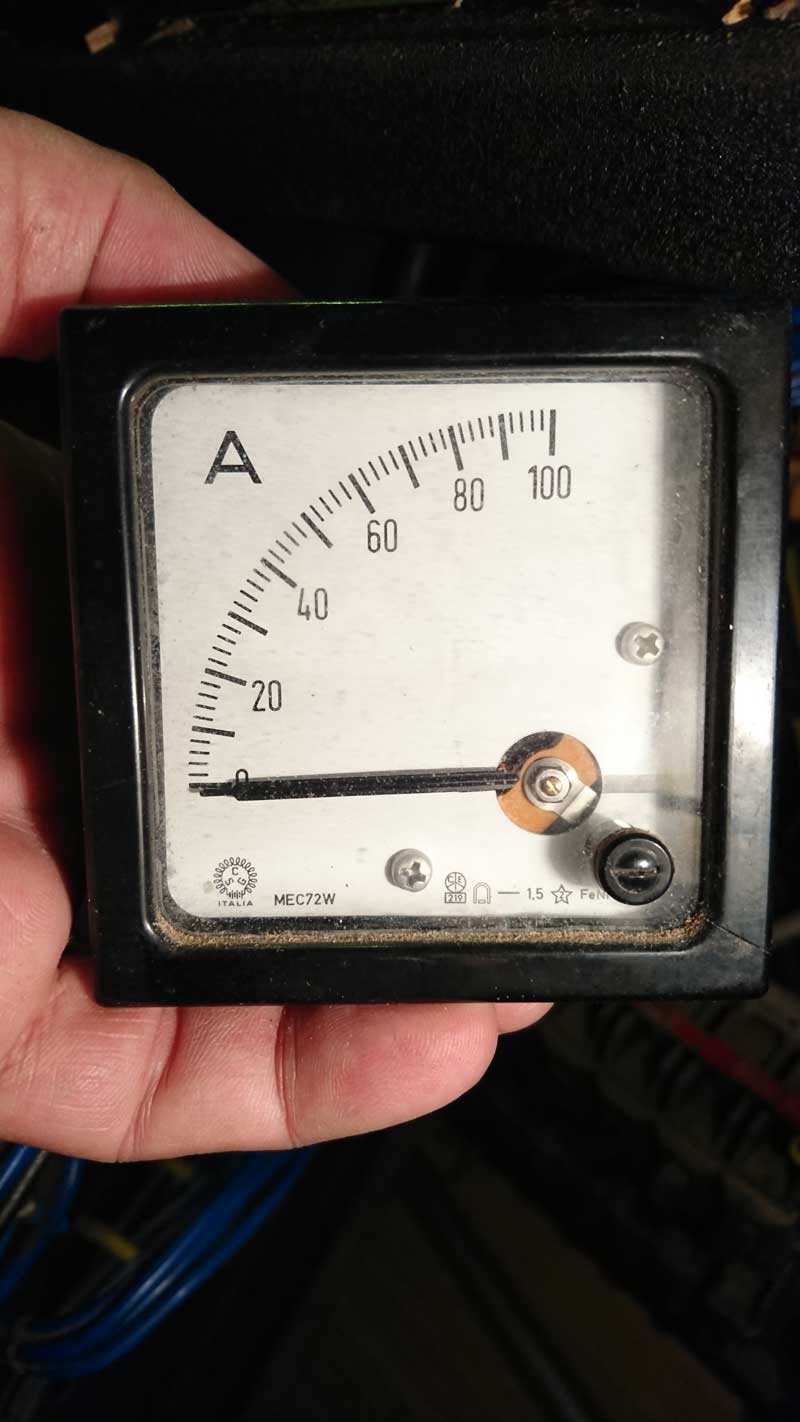
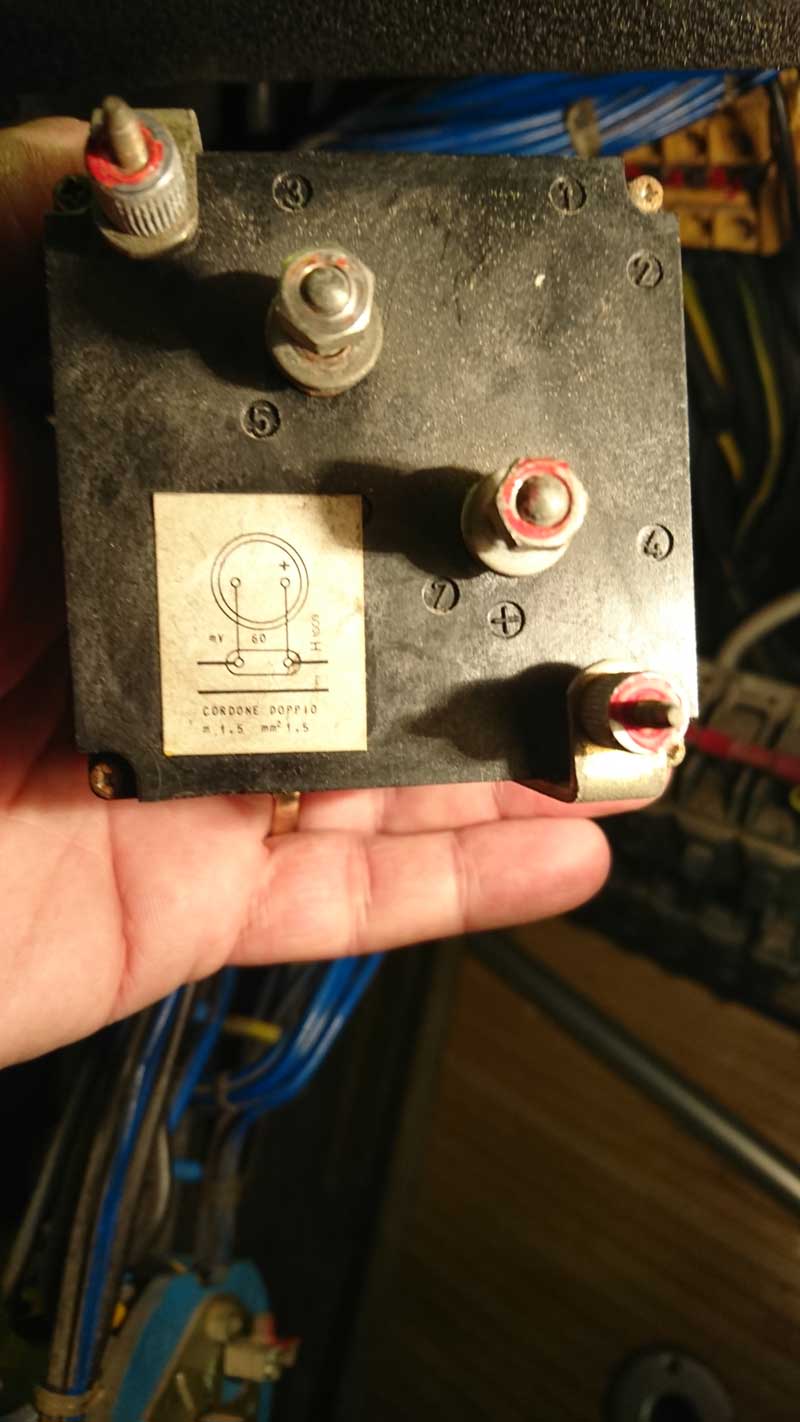
and a closeup of the label at the back of the gauge:
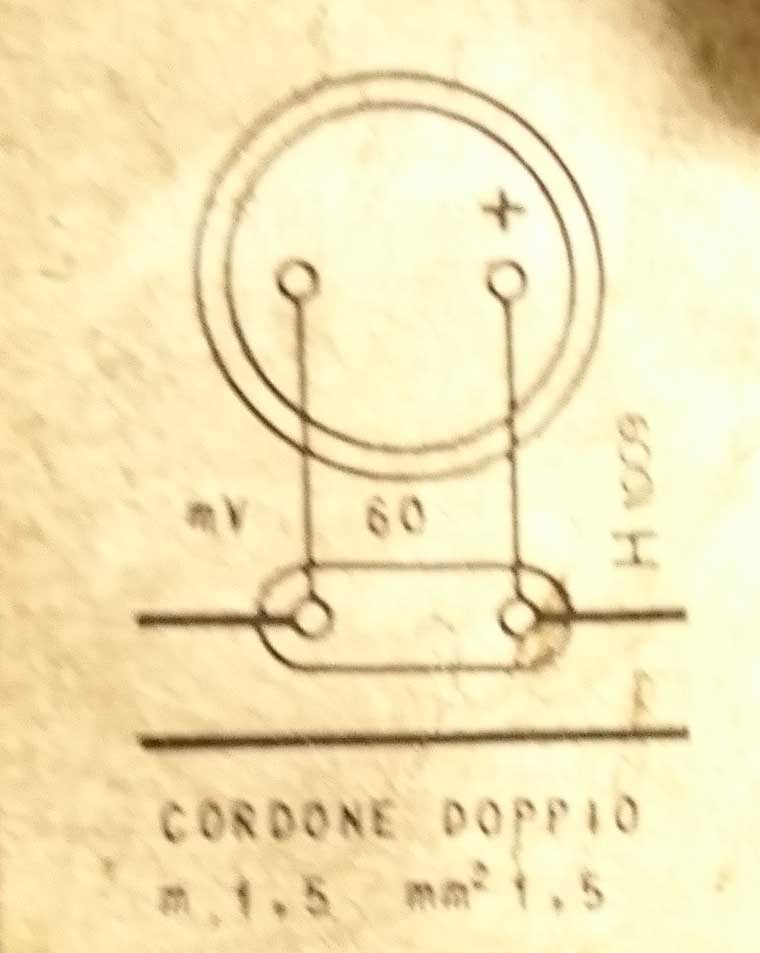
So, the four do their job, but the charging Amp meter does bugger all as it was connected to an OLD as in VERY OLD and extremely heavy box full of copper that was charging (1,2,3 dunno what these stages exactly meant) and a nice 12h analogue timer (with a proper bell ringing when it was off!) Nice stuff but being a liability it was all given for recycling 5yrs ago.
So Now that I have a halfdecent Victron Centaur 24V/60A which has an onboard Ammeter (which is however in the engine room so hardly accessible...) is there a way to get this lovely instrument to replicate what the Victron ammeter shows?
If it's a matter of getting two cables from somewhere inside the Victron (or the service bank batts???) and out to the gauge, I can do it no problem (just a bit more swearing getting the cables through). Cannot be the THICK cables providing power to the batteries though as we are talking about 6+6m back and forth! Must be some sort of signal which from my understanding of electricity wont work...
Before anyone tries to persuade me that it's not really needed (which I very well know!) the reasons not to bother are mainly:
cheers
V.
don't laugh as this is getting a bit far (yes I'm slowly running out of important jobs and are now doing detailing work), but you see on the el. panel on the lower helm, I have 5 nice square gauges like the one in the following pics.
They are:
two on the left for 24V (Volt: service-engine with a toggle under it, Amps service bank only)
one in the centre charger Amps
two on the right for 220V (Amps and Volts: shore or genny again with a toggle under it)
and a closeup of the label at the back of the gauge:
So, the four do their job, but the charging Amp meter does bugger all as it was connected to an OLD as in VERY OLD and extremely heavy box full of copper that was charging (1,2,3 dunno what these stages exactly meant) and a nice 12h analogue timer (with a proper bell ringing when it was off!) Nice stuff but being a liability it was all given for recycling 5yrs ago.
So Now that I have a halfdecent Victron Centaur 24V/60A which has an onboard Ammeter (which is however in the engine room so hardly accessible...) is there a way to get this lovely instrument to replicate what the Victron ammeter shows?
If it's a matter of getting two cables from somewhere inside the Victron (or the service bank batts???) and out to the gauge, I can do it no problem (just a bit more swearing getting the cables through). Cannot be the THICK cables providing power to the batteries though as we are talking about 6+6m back and forth! Must be some sort of signal which from my understanding of electricity wont work...
Before anyone tries to persuade me that it's not really needed (which I very well know!) the reasons not to bother are mainly:
- there's a direct analogy between the 220V Ammeter next to it and this gauge, that's what I'm doing right now

- Victron is hardly ever used now with the 600W solar, and will be used for an hour on anchor every morning together with the watermaker.
- Victron BMV-700 is next to the lower helm and I can see what's coming in (or out) of the service batteries v.accurately.
cheers
V.
Last edited:

