

vas
Well-Known Member
my first take at heat exchanger cleaning and general messing about wasn't that bad but I'm stuck so need some pointers
Engines are IVECO AIFO, typical 4 exchangers all around.
gearbox oil one (the smallest) was easy to remove and undo the two caps. nice and generally clean, took 5mins to clean and reassemble with new o-rings.
Now, the compressed air exchanger is a massive thing, obviously cannot be removed as it's part of the cast alloy intake and has an blank cap on the one side and both pipes (in-out) on the other. I think that's fairly normal.
Problem is that I removed the one cap (with the two pipes) found some muck and bits of the red gasket silicone used to seal the old (and now dumped) raw water filters. Easily cleaned, fine.
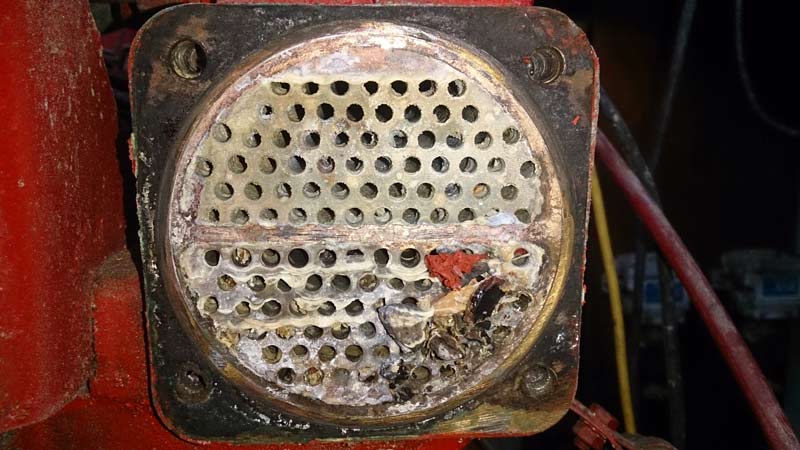
Problem is that the front cap that redirects the raw water back to the other side is not so easy to remove
Got good access but one allen screw is a pig. I'll have a go later on tonight and see what I manage.
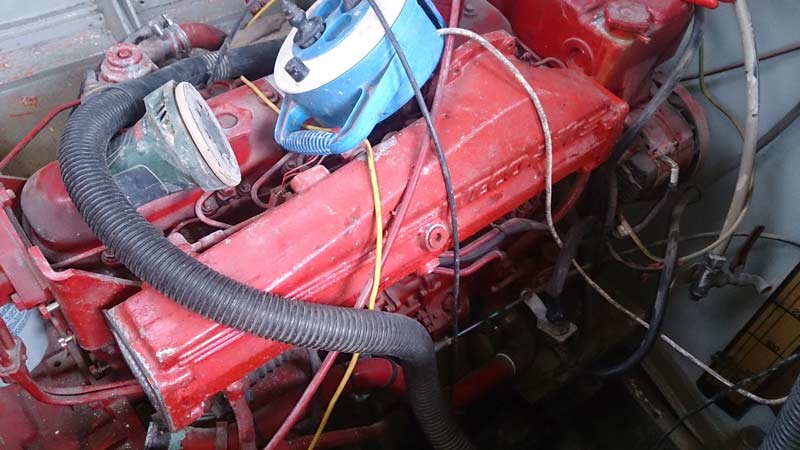
That's an overview of the heat exchanger:
Following pics show the endcap details:
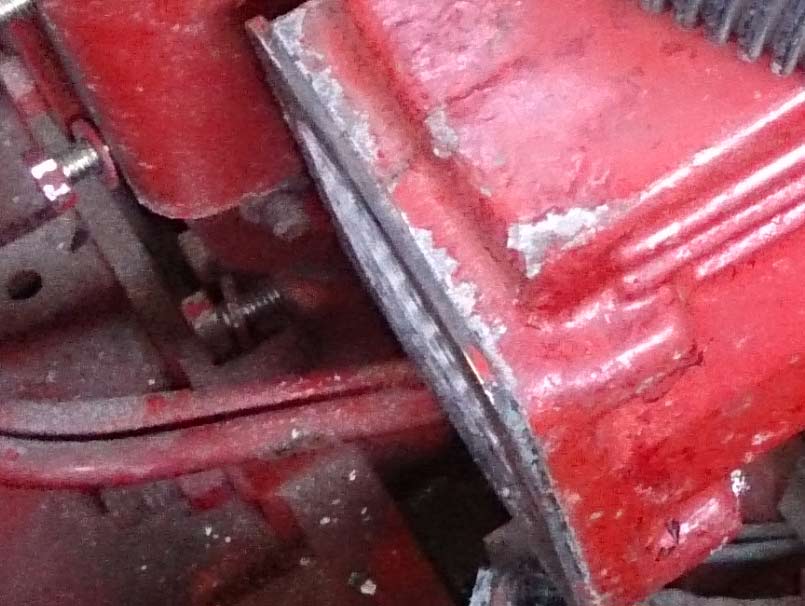
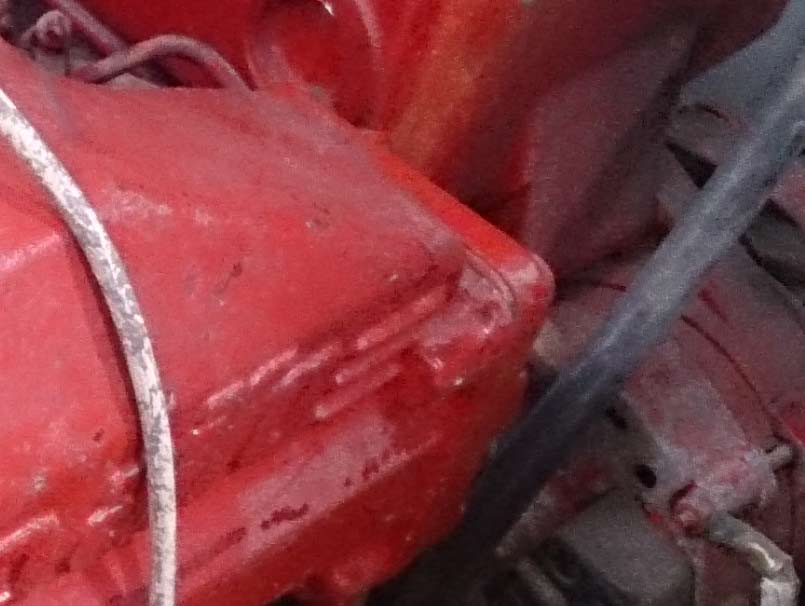
So my Q is how the heck are you meant to remove the matrix with all the pipework out of there. The opened side has a lip over the alloy and the copper endcap bolts over it, fine.
The far (difficult to remove) side looks identical! Is the lip on that far side something that is removable (like a thick washer or something) and the matrix pulls off the other side? Do I need a mallet to carefully persuade it to pull out?
On the same lines, do I have any chance of removing the matrix with just the one endcap open? I guess the answer to this is NO.
Before you ask, unblocking the access to the endcap on the belts end of the engine doesn't look like an easy 5min job. Got to remove the coolant expansion tank which is a structural member supporting the alternator and various other bits. I have to admit i'm not familiar with truck engines but that's the first time I see such an arrangement...
I guess if I had the service manual I'd be able to solve my Qs but I only have the workshop manual. Engines are 8061SRM33.
cheers
V.
Engines are IVECO AIFO, typical 4 exchangers all around.
gearbox oil one (the smallest) was easy to remove and undo the two caps. nice and generally clean, took 5mins to clean and reassemble with new o-rings.
Now, the compressed air exchanger is a massive thing, obviously cannot be removed as it's part of the cast alloy intake and has an blank cap on the one side and both pipes (in-out) on the other. I think that's fairly normal.
Problem is that I removed the one cap (with the two pipes) found some muck and bits of the red gasket silicone used to seal the old (and now dumped) raw water filters. Easily cleaned, fine.
Problem is that the front cap that redirects the raw water back to the other side is not so easy to remove
Got good access but one allen screw is a pig. I'll have a go later on tonight and see what I manage.
That's an overview of the heat exchanger:
Following pics show the endcap details:
So my Q is how the heck are you meant to remove the matrix with all the pipework out of there. The opened side has a lip over the alloy and the copper endcap bolts over it, fine.
The far (difficult to remove) side looks identical! Is the lip on that far side something that is removable (like a thick washer or something) and the matrix pulls off the other side? Do I need a mallet to carefully persuade it to pull out?
On the same lines, do I have any chance of removing the matrix with just the one endcap open? I guess the answer to this is NO.
Before you ask, unblocking the access to the endcap on the belts end of the engine doesn't look like an easy 5min job. Got to remove the coolant expansion tank which is a structural member supporting the alternator and various other bits. I have to admit i'm not familiar with truck engines but that's the first time I see such an arrangement...
I guess if I had the service manual I'd be able to solve my Qs but I only have the workshop manual. Engines are 8061SRM33.
cheers
V.
Last edited:


