antifoul preparation, washing, wet sanding etc etc

FairweatherDave

Well-Known Member
Joined
28 Sep 2009
Messages
2,089
Location
Solent
Visit site
So at lift out in November the boat was pressure washed. Now comes the time to apply fresh antifoul. In previous years I have wet sanded and got nice and blue, and then hosed the boat off with blue run-off. And yet when I antifoul after that the dry old antifoul still comes off if you touch it accidentally. My guess/hope is that the new antifoul binds on/mixes and it all sticks on, as much as you want self-eroding AF to adhere to the hull. So if the boat has been pressure washed is there a point to wet sanding, (assuming a smooth-ish hull)?
I suppose the otherway of phrasing it is this...boat has been pressure washed and is no longer over a drain. I'm not having the boat lifted back over a drain in order to wet sand and I'm not sure that wet sanding is necessary as even afterwards the old AF releases itself onto you at at the least provocation. (And please don't say coppercoat........:) )
 
I am currently wet sanding my little boat in the water in anticipation of pulling out on Saturday fro the winter. (in Oz) Partly that is because the trailer gets in the way for easy sanding when out. I have done this regime for 40 years and do not have a huge build up of a/f paint. I don't put too much on.. I don't have facility for pressure washing. Yes I have had at times paint no adhere very well in spots. I just put up with that.
In the end the antifouling process to me is a horrible activity and I just do as much as I can force my self to do before saying "that will do till next winter"
So I don't know any answer to your question but I would be inclined my self to perhaps wipe over with wet rag perhaps sanding in places using a bucket an wet rag rather than move to a wash down facility. Salp that paint on and look forward to a new season. ol'will
 
So at lift out in November the boat was pressure washed. Now comes the time to apply fresh antifoul. In previous years I have wet sanded and got nice and blue, and then hosed the boat off with blue run-off. And yet when I antifoul after that the dry old antifoul still comes off if you touch it accidentally. My guess/hope is that the new antifoul binds on/mixes and it all sticks on, as much as you want self-eroding AF to adhere to the hull. So if the boat has been pressure washed is there a point to wet sanding, (assuming a smooth-ish hull)?
I suppose the otherway of phrasing it is this...boat has been pressure washed and is no longer over a drain. I'm not having the boat lifted back over a drain in order to wet sand and I'm not sure that wet sanding is necessary as even afterwards the old AF releases itself onto you at at the least provocation. (And please don't say coppercoat........:) )
It's an interesting question, and one I've wondered about. The pressure washer takes off the worn out surface and the loose bits, surely that's enough to give a rough surface? Greasiness is usually the worst problem with adherence, and there wouldn't be any of that?

(oh and apologies - I went with coppercoat, which requires vast amounts of prep 🤪 )
 
I normally give the old antifoul a wet sand using a bucket of water and a pole sander with a coarse mesh.
It just helps to reduce the build up of antifoul and put off the day when it all needs to come off.
The world won't end if you just paint on the antifoul and promise to do better next year.
 
I gave up on antifouling on my previous boat. An extra scrub or two on the club grid cost a LOT less than antifoul that didn't do much anyway. On Jazzcat, I'm trying a hard racing antifoul which claims a life of two years. I'll be scrubbing off tomorrow, so I'll see if it's any better than nothing, but the amount a crud around the waterline doesn't inspire optimism.
 
Well thanks for the replies. Adequately motivating :). Job done today and the run off was as predicted. When the old AF dries I will decide if it was pointless! Meanwhile the good outcome was I brought my pole sander back into action and finally (first time ever) got a decent technique going....last time I gave up with it and I just got really blue using a scrubbing brush. Good luck tomorrow Stemar
 
If you want to get rid of the old powdery antifoul and get down to a hard, smooth substrate thst is maybe halfway through the previojs coat as well, use a Bahco scraper or similar.

I did this a month ago and got down to a hard multi-coloured surface by applying just the right amount of pressure.

TIP - use a grinder to gently round the blade corners to avoid any gouging or scratching.

- W
 
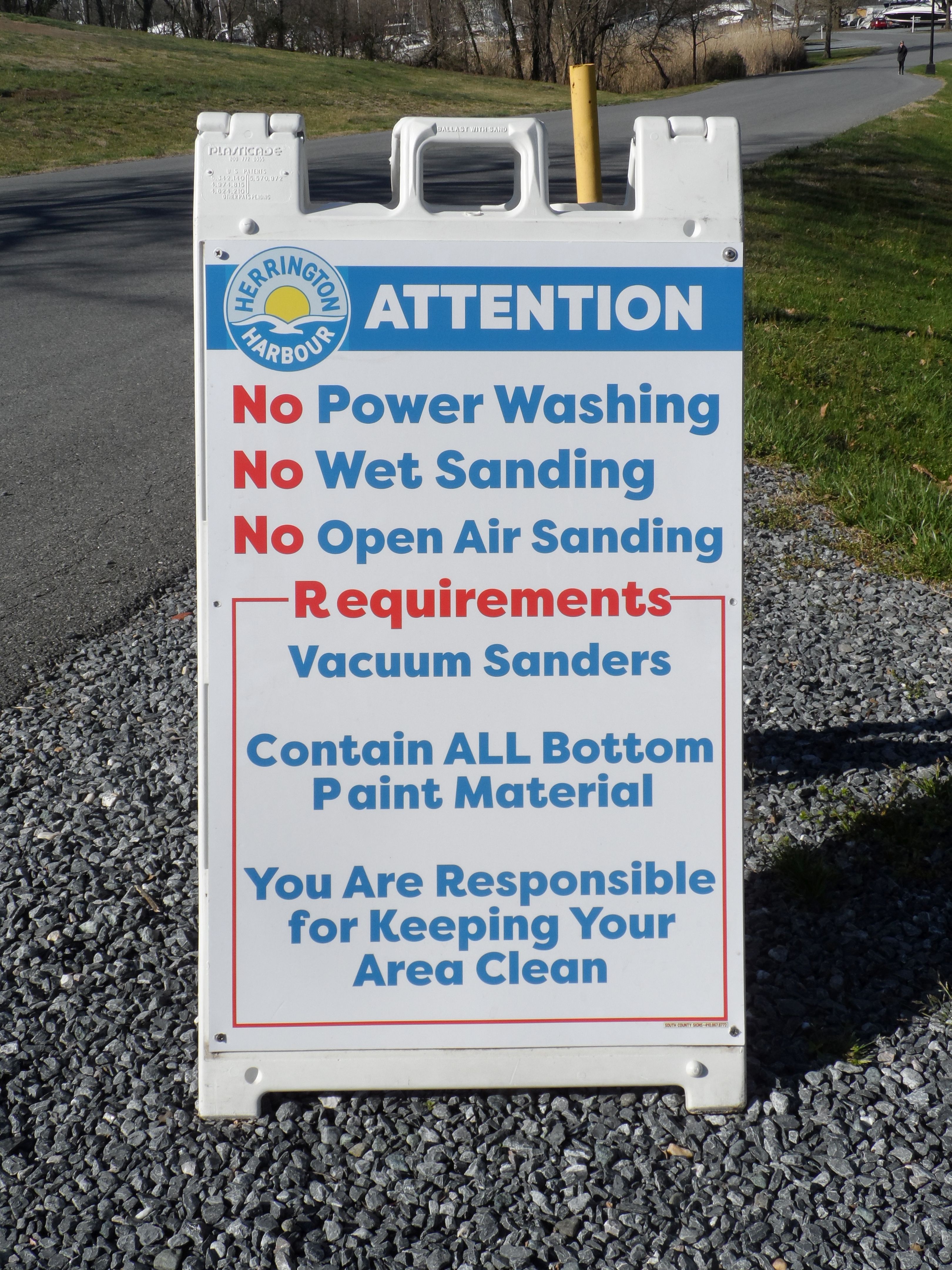
Something for folks to yell about ....

no%20wet%20sanding%20HHN%203.jpg
 
I normally give the old antifoul a wet sand using a bucket of water and a pole sander with a coarse mesh.
It just helps to reduce the build up of antifoul and put off the day when it all needs to come off.
The world won't end if you just paint on the antifoul and promise to do better next year.
I started using a pole sander a few years ago and it is the best thing since sliced bread, the mesh does not clog like wet and dry, and you get far less coloured and cold water running upyour sleeve, and best of all no dust, so I strongly endorse your post
 
Top