Anchor modification, specifically 'moving' the centre of a 10mm hole by 2mm

Neeves

Well-Known Member
Joined
20 Nov 2011
Messages
14,283
Location
Sydney, Australia.
Visit site
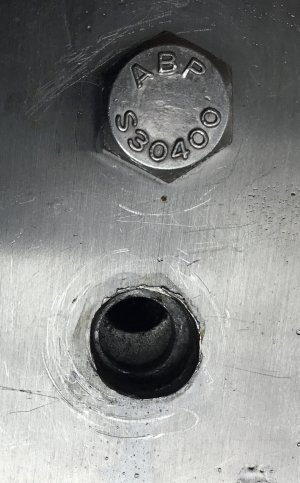
I am modifying a developmental anchor and one of the 10mm bolt holes holding the anchor together is located with its centre 2mm out of line. I want to use the existing pieces rather than start again. I want to move the bolt hole 2mm from the existing centre. The new bolt hole, one of 3, will then be oval (the other holes are in the correct location). The hole I need to 'move' secures a sandwich of 5mm aluminium, 5mm stainless plate and a stainless casting. The stainless casting will hold studs, its drilled and tapped, and I want to move the holes in the aluminium and stainless plates to match the hole in the the casting.

filing by hand seems a bit crude.

I am sure there is a device I can hold in a hefty bench drill chuck that will allow me to ream (is that the word?) sideways. A sort of rotating file or drill bit that will enlarge the existing bolt hole, sideways, with a degree of accuracy. The hole, ideally, will be 'sort' of rugby ball shaped. semicircular ends joined by flats, one end is the existing hole - I just need to machine the other side to 'make' the oval

I need to know what is such a device is called, who might make the device. I appreciate that I will be sourcing the device in Australia and most recommendation will be British, or European. I'm used to that and should be able to cope.

In the fullness of time and with success all will be revealed. If my ideas are wrong the concept will be quietly forgotten and I'll find another solution to the problem (like making new plates from stainless and aluminium.

With thanks

Jonathan
IMG_1176.JPG
 
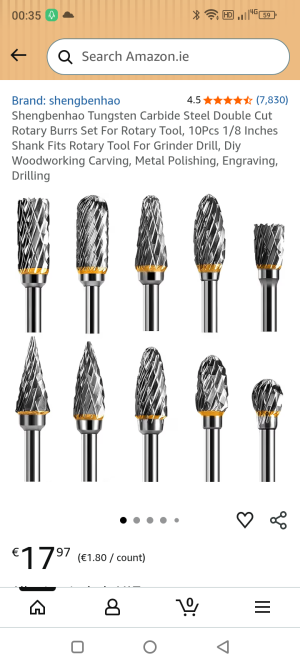
I have used these things to do similar, although, bought from Amazon. I have a straight highspeed tool from aldi which holds them. I suspect a drill would work as well.
 

Attachments

  • Screenshot_20260405-003531.png
    Screenshot_20260405-003531.png
    377.4 KB · Views: 3
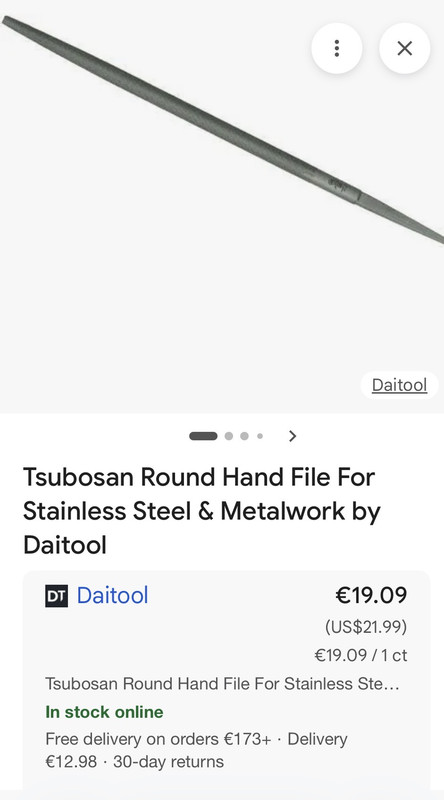
I am not clear if it is ali or ss you need to cut. If ali you might succeed with a router bit made for wood. For SS you might be able to find a stone on a shaft made for sharpening chin saws. Or just get the round file out. Is seem to have history of similar miscalculations and need to move holes.good luck ol'willl
 
I have used these things to do similar, although, bought from Amazon. I have a straight highspeed tool from aldi which holds them. I suspect a drill would work as well.
I have the same set as you, in fact ended up with 2 sets. I found them a bit crude and hoped there was a more professional tool.

I am not clear if it is ali or ss you need to cut. If ali you might succeed with a router bit made for wood. For SS you might be able to find a stone on a shaft made for sharpening chin saws. Or just get the round file out. Is seem to have history of similar miscalculations and need to move holes.good luck ol'willl

I need to machine the holes in both the stainless steel and the aluminium. The aluminium is (probably) not an issue the stainless is hardened. I have a tapped, 3 taps, cast stainless component which is bolted to an aluminium fluke plate and a replaceable (consumable) stainless toe plate. The 3 holes in the stainless cast component don't fit one of the holes of the aluminium and hardened stainless plate. The whole device is to be held together with high tensile bolts, or studs with nuts.

I've not machined hardened stainless but have machines Q&T steels 800MPa (and destroyed the gear box in my Bosch angle grinder). I'm not familiar with hardened stainless but know it might take longer than I think. I'm honing my patience.


This is a first full sized test piece. Longer term I think I will replace the aluminium plate with a steel alloy plate of 1450 MPa - but want to test what I've got first as sourcing small pieces of Q&T steel or even aluminium sheet and plate needs more than enough charm. I need to use all three bolts if I want to test the anchor under full load


Does the world need another anchor?...... of course not. The intellectual challenge is part of my therapy keeping my brain active.

Why my reticence - last time I made something open source, not on YBW, someone copied my idea (I have no issues with people who copy) actually claiming the idea as theirs. My tolerance has limits - but there is nothing I can do as I do, eventually, feel the need to share.

Jonathan
 
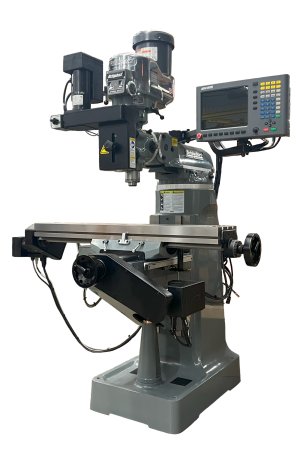
The easiest way of doing it would be on a milling machine.

Clamp it in the vice, put the milling cutter in the existing hole and then move sideways 2mm.

Maybe see if the can find a helpful engineering shop who would do it for you?

1775368670930.jpeg

Failing that some sort of grinding tool on a dremel or die grinder would eventually do it. I don’t think you will have much luck with a drill bit in hardened stainless.
 
The easiest way of doing it would be on a milling machine.

Clamp it in the vice, put the milling cutter in the existing hole and then move sideways 2mm.

Maybe see if the can find a helpful engineering shop who would do it for you?

View attachment 208841

Failing that some sort of grinding tool on a dremel or die grinder would eventually do it. I don’t think you will have much luck with a drill bit in hardened stainless.
I'm already in debt, non financial, to my favourite machine shop so might be pushing my luck for another favour. They are already looking at bending hard steel with a 120t brake press.

Drill the right diameter hole in another piece of steel and clamp or tack to the piece - then drill through using the hole as a guide.

I like the idea, simple, possible with my own resources - I will try it.
Could you not weld the holes closed the re- drill in the correct location?

I had thought of this but I don't weld and it means welding both stainless and aluminium. It would cost a few beers.


My thoughts were an end mill - except I've never used one. My bench drill is hefty and should be man enough. end mills are not expensive - and I'd have the tool (when I do it again :) )


I like to do work myself, you learn and identify what you might be asking of others - and it is PBO


So I'm leaning toward the solution offered by AMOREST, I have the correct drill bits of the right sizes and separately an end mill, maybe combining the two (a guide plate and end mill).

Many thanks for the suggestions

Jonathan
 
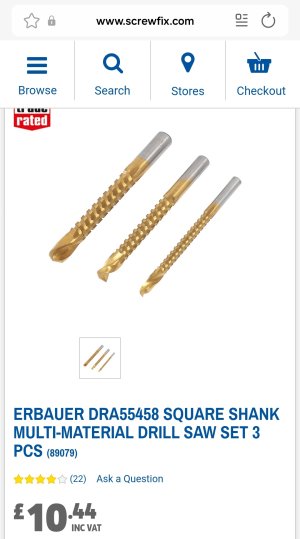
Rather than those Amazon reamers, Screwfix have Drill Saws, and the pack on three includes a 10mm one which would simply go in your bench drill chuck..

https://www.screwfix.com/p/erbauer-dra55458-square-shank-multi-material-drill-saw-set-3-pcs/89079

View attachment 208850

My comment crossed with Martin's suggestion. It was something I'd thought of - but have never seen them nor know what they are called. Something also on my shopping list (again they are not expensive).

Jonathan
 
And I'm not sure why those Erbaur bits have 'square shank' in their name..

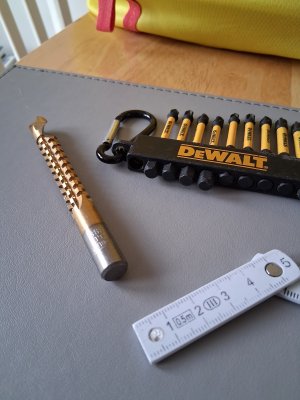
I have a set from Screwfix and the shaft is round and they drill a round hole..

The only bits on them that I can see that are square are the individual sawing/cutting teeth..
 
Thank you,

so useful, if I was as clever as you I would not have had need to post a new thread.

If you had told me that earlier in the day the more focussed replies need not have been posted.
Oooh sarcy!
I was an engineer working in an industry where "hot work" was taboo. You would be amazed at what was done with files and hacksaws.
 
Oooh sarcy!
I was an engineer working in an industry where "hot work" was taboo. You would be amazed at what was done with files and hacksaws.
I have a lot of time for engineers, who come in all shapes, sizes and flavours....
....Metric, Whitworth, Imperial US, moles and firkins....

See here

55182195677_9d09d42790.jpg
 
Stainless steels are notoriously challenging to machine. They can work harden very easily so low cutting speeds and highish cutting pressure (to obviate rubbing) are the keys and these are very difficult to achieve with a hand drill. For this reason I personally wouldn't consider using a drill saw (I'm sure they're excellent in other materials). Unless you can get an engineering company to do it for you I think your best option would be hand filing and just accept that it's going to be a long job.
 
Top