A strip planked catamaran.

I wish that were true. Water ingress into foam can travel all over the place. Deck leaks are a nightmare, a leak at the mast foot might come out 5 metres away. You can guess how I know.
It might depend like all these things, on how it was built in the first place. Plastic foam cores don't rot. Compared to balsa, if well done, foam core is way longer lasting. Often you need to dry the core and solve the ingress problem. With balsa you need to remove the balsa. If moisture is in any core, frost damage can be a nightmare. Delamination due to ice formation within the core is likely to create a far bigger repair
 
Wood epoxy is no different to a balsa cored GRP deck where there are way more pentrations than in a hull on most boats.
It would be worth checking the cost of insurance for such a boat and see how it compares to a similar GRP boat.
I am sure the OP will consider the cost of insurance.

However whatever the risks are it does not justify advice not to touch it with a barge pole based merely on what happened to somebody you met who had damage to his boat.
 
They are good people. It’ll have been done properly from the outset, and they may know the history. What design is it? Ah, Richard Woods. Some good boats, many very good. I had a GRP Strider cat many years ago.
yes. it tends to be the case that Woods designed catamarans pack a lot of sailing joys
I am sure the OP will consider the cost of insurance.

However whatever the risks are it does not justify advice not to touch it with a barge pole based merely on what happened to somebody you met who had damage to his boat.
thanks.
yes, I did look at the insurance. They want around £700 per year for UK coastal water area.
Fine, however perhaps the question is whether Strip Planked builds get easily damaged?
I am looking to keep it on swing mooring to begin with.
hoping to sail in the med after initial experience.
Cheers!
 
That sounds a bit on the high side but depends on the value and your insurance record. worth getting 3 or 4 quotes as premiums vary widely, but make sure o check what cover is offered as again this can vary.

As to damage, chances of it happening are no more than a similar boat of GRP. The hull shell should be strong and impact resistant in a collision - that is one of its advantages - but probably the number of people with the skills to effect proper repairs is limited compared with the far more common GRP.
 
I am sure the OP will consider the cost of insurance.

However whatever the risks are it does not justify advice not to touch it with a barge pole based merely on what happened to somebody you met who had damage to his boat.
I said, I wouldn't touch it with a barge pole. The OP is big enough to make his mind own mind up.
Its hard to build well in strip cedar. It lends itself to one off customs builds as there is no cost of building moulds.
It's labour intensive in the extreme so no production boats are built that way. Quality of construction will be variable depending on who built it. A surveyor who is very familiar with this method on construction would be a must.
I watched a friend build a 50ft cat in strip cedar. I saw enough to know I would never want one.
 
I’m in the process of building my second 6mm thick cedar strip dinghy, used as a tender for our wooden yacht. The build format is very strong. - the old dinghy had been slammed by wayward yachts several times over 18 years whilst hung on davits and survived everything until a 50 footer hit it full on. I made a number of repairs over those years.
It is quite possible to repair this format, but because it is a monocoque construction you end up adding quite a lot of glass to make it strong again and it’s difficult to fair to the original shape. On a yacht I would make the principal repair internally to hide the evidence.
Where the epoxy has been compromise, I’ve found red cedar to be slow to rot with fresh water, though of course it has to be completely dried before re sheathing. That’s why it’s used for garden sheds.
Having owned wooden boats and fibreglass boats I don’t think the system is per se any more problematic than a foam/balsa cored boat.
 
I’m in the process of building my second 6mm thick cedar strip dinghy, used as a tender for our wooden yacht. The build format is very strong. - the old dinghy had been slammed by wayward yachts several times over 18 years whilst hung on davits and survived everything until a 50 footer hit it full on. I made a number of repairs over those years.
It is quite possible to repair this format, but because it is a monocoque construction you end up adding quite a lot of glass to make it strong again and it’s difficult to fair to the original shape. On a yacht I would make the principal repair internally to hide the evidence.
Where the epoxy has been compromise, I’ve found red cedar to be slow to rot with fresh water, though of course it has to be completely dried before re sheathing. That’s why it’s used for garden sheds.
Having owned wooden boats and fibreglass boats I don’t think the system is per se any more problematic than a foam/balsa cored boat.
Why do proffessional production boat builders use balsa or foam core over strip cedar?
I did a weight check on building in core or strip cedar. Cedar would make a hull with typical epoxy layup or between 150 -to 200% heavier than core. I don't see any advantage of cedar.
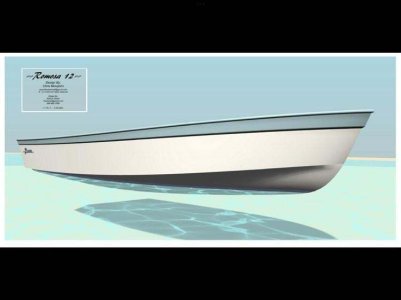
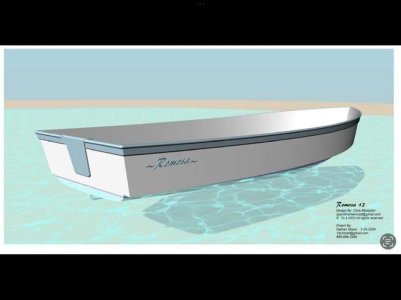
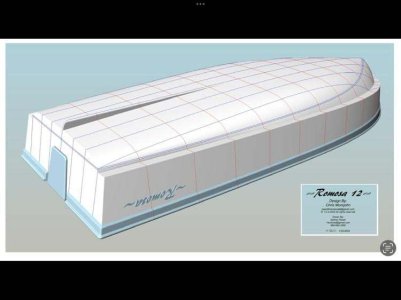
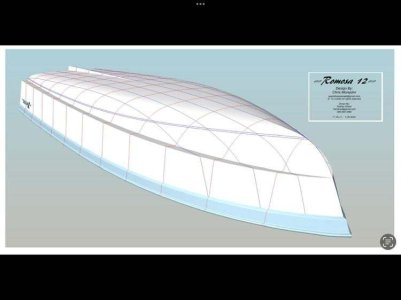
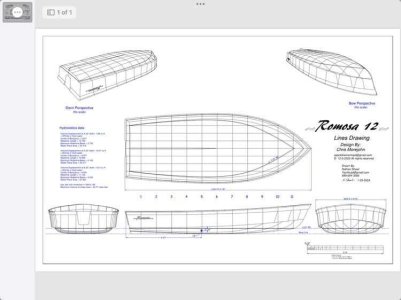
My good friend Chris Morejohn has just released plans for the update of my dinghy. My dinghy is cored. It was designed and built by Chris 31 years ago. It's still our daily ride to shore with a 15hp Yamaha Enduro 2 stroke.

received_1394970464725765.jpegreceived_1127347964874359.jpegreceived_371913732264305.jpegreceived_694813139514549.jpeg
 

Attachments

  • received_289614450499304.jpeg
    received_289614450499304.jpeg
    38 KB · Views: 1
Top