
CMJ
Well-Known Member
Hi All,
Hoping for some advice as the inside of the boat has broken out into some big spots!
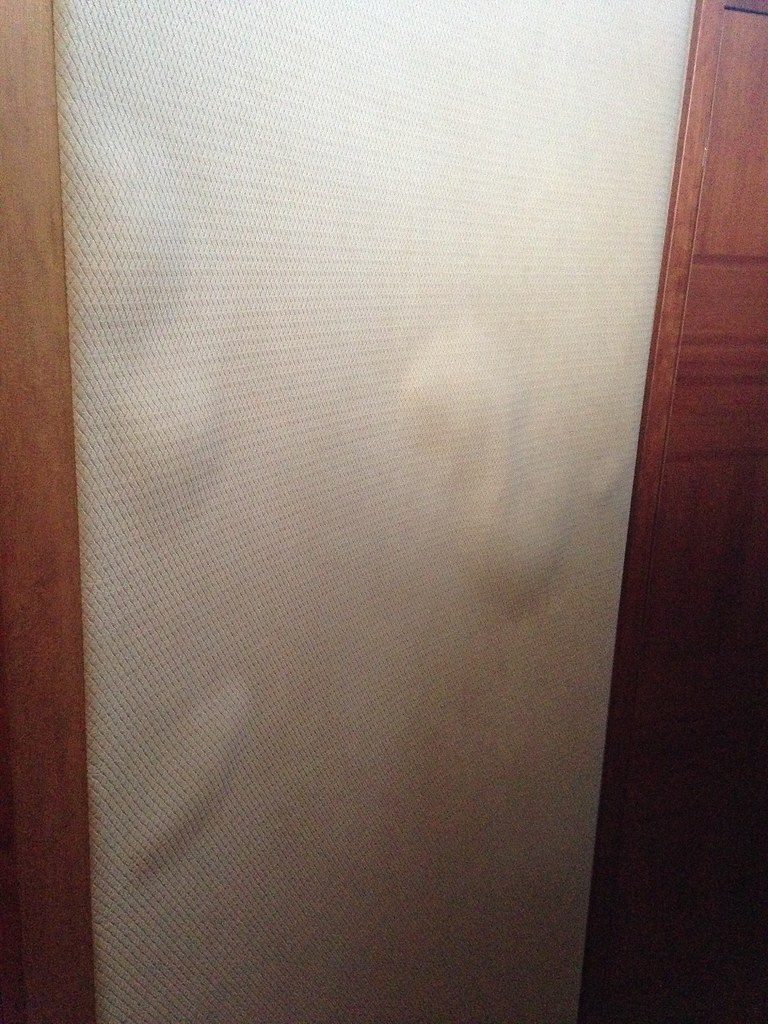
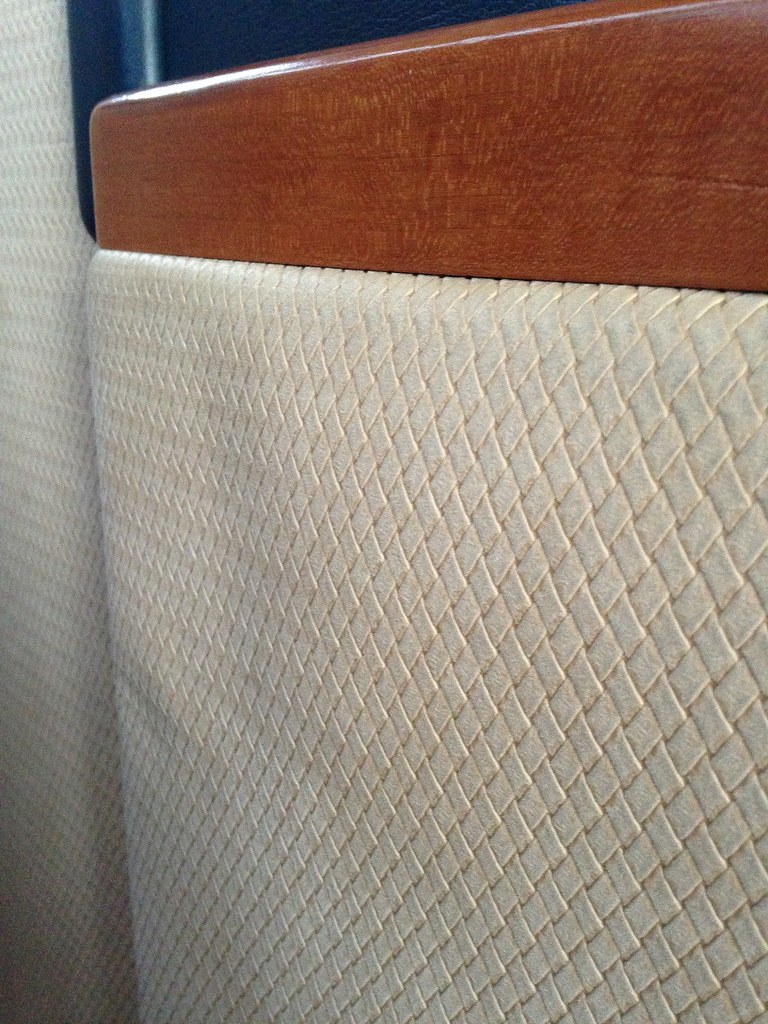
Basically many of the walls have a foam backed fabric/vinyl on them and at the beginning of the year one of the concave walls developed quite large bubbles (similar to the pics below - up to 30cm in size )……so I spent loads of time removing door frames / ceiling etc to allow me to re-stick the existing covering back on (using contact adhesive – tin of the stuff on the plywood and aerosol spray on the foam)…..anyway I thought that was the last of it but a couple of months ago a 2nd wall started to show the same issues (see 1st pic below)…….and sometimes it would look like in the pics …and sometimes the bubbles would not be visible as if they’d gone back down (perhaps due to heat/cold etc?)…..anyway I’d been planning to fix this new outbreak too and thought I’ve have a look around the boat to see if I could find anymore….and to my horror I’ve spotted these on about 50% of the walls (even a convex one – see pic 2)….
So it looks like I’ve got a massive job on my hands to fix all of this….but anyone know why it’s all happened almost all at once (within a year)??? We’ve had the boat (Azimut 50 - kept in the UK) since it was 9 months old and it’s now 7 years old.
Would also be very grateful for any advice on how to stick it back up, and whether I can re-use the old stuff (the foam has not started to crumble or anything)…… I want to re-visit the wall I re-glued initially as although the original covering is stuck back up, it’s not a perfect job as looks a little bumpy (not lumpy!) in places – perhaps where I was over generous with the aerosol and then pressed the material too hard back on, compressing the foam which once compressed remained glued together – consequentially making it look bumpy – so not sure if the technique is to very lightly apply the material or not??
Anyway - really grateful for any help and many thanks in advance!
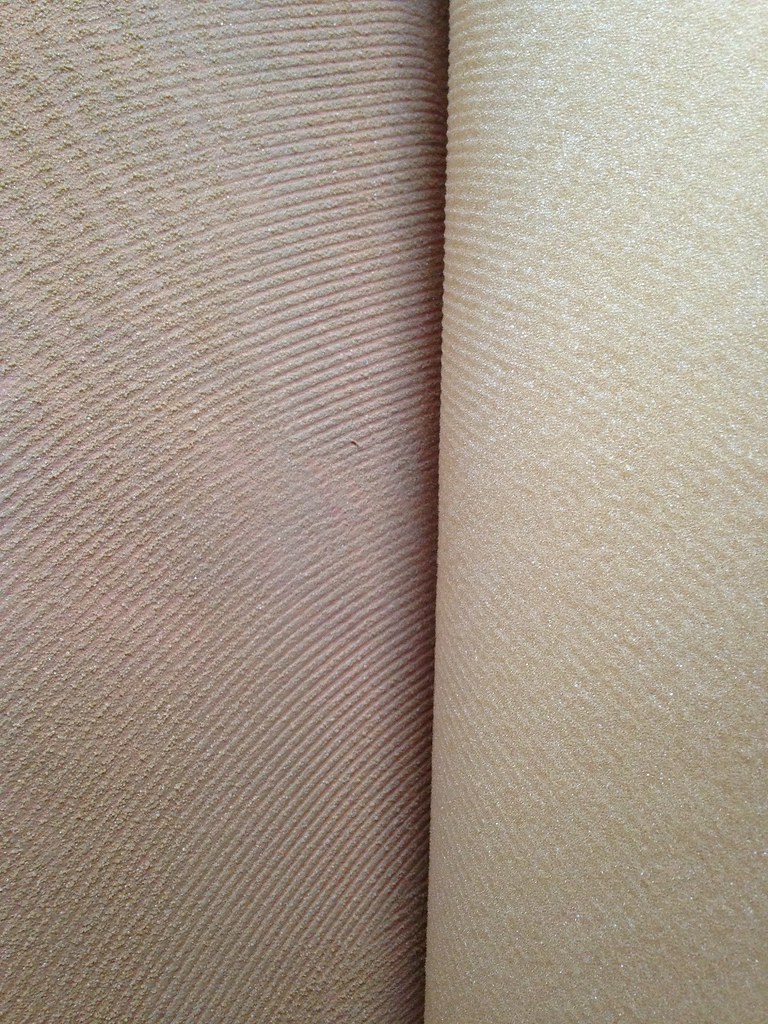
this one shows a smaller panel where I've removed a section that had also become a bubble.
Hoping for some advice as the inside of the boat has broken out into some big spots!
Basically many of the walls have a foam backed fabric/vinyl on them and at the beginning of the year one of the concave walls developed quite large bubbles (similar to the pics below - up to 30cm in size )……so I spent loads of time removing door frames / ceiling etc to allow me to re-stick the existing covering back on (using contact adhesive – tin of the stuff on the plywood and aerosol spray on the foam)…..anyway I thought that was the last of it but a couple of months ago a 2nd wall started to show the same issues (see 1st pic below)…….and sometimes it would look like in the pics …and sometimes the bubbles would not be visible as if they’d gone back down (perhaps due to heat/cold etc?)…..anyway I’d been planning to fix this new outbreak too and thought I’ve have a look around the boat to see if I could find anymore….and to my horror I’ve spotted these on about 50% of the walls (even a convex one – see pic 2)….
So it looks like I’ve got a massive job on my hands to fix all of this….but anyone know why it’s all happened almost all at once (within a year)??? We’ve had the boat (Azimut 50 - kept in the UK) since it was 9 months old and it’s now 7 years old.
Would also be very grateful for any advice on how to stick it back up, and whether I can re-use the old stuff (the foam has not started to crumble or anything)…… I want to re-visit the wall I re-glued initially as although the original covering is stuck back up, it’s not a perfect job as looks a little bumpy (not lumpy!) in places – perhaps where I was over generous with the aerosol and then pressed the material too hard back on, compressing the foam which once compressed remained glued together – consequentially making it look bumpy – so not sure if the technique is to very lightly apply the material or not??
Anyway - really grateful for any help and many thanks in advance!
this one shows a smaller panel where I've removed a section that had also become a bubble.


 ....guess it's only been on there nearly a year though.........roller idea sounds good too.


