
Dehumidifiers

must be an American thing. All uk yards I’ve been to will happily take your money for permanent shore power connections - some with very specific rules on types of dehummer, fire safety etc.
Not shore power (which is the term for power at the dock). Plugged in while on the hard. Cascading fires are more likely on dry land.

boatyard fire

The fire jumped from boat to boat, destroying them all. Better spacing would have helped.

1763333205688.jpeg
 
Not shore power (which is the term for power at the dock). Plugged in while on the hard.
The term is widely used in the UK for any mains electric connection to a boat. Indeed I’ve even heard it used in the caravan/RV world. We are talking about the same thing - I’ve never heard of a yard in the UK that didn’t let people plug their boat in indefinitely when on dry land. It is certainly very normal to do so here.
Cascading fires are more likely on dry land.

boatyard fire

The fire jumped from boat to boat, destroying them all. Better spacing would have helped.
View attachment 202290
We do have yard fires here occasionally but they are pretty rare. They do also spread but not usually go that extent. I’m sure some of the fires we get are electrical but probably not all. The important point (as I saw it!) was that anyone reading the thread should not think it unusual (or unsafe!) to leave their boat plugged in over winter - but they should make sure their dehummer (if they are using one) is able to cope with the temperatures.
 
The term is widely used in the UK for any mains electric connection to a boat. Indeed I’ve even heard it used in the caravan/RV world. We are talking about the same thing - I’ve never heard of a yard in the UK that didn’t let people plug their boat in indefinitely when on dry land. It is certainly very normal to do so here.

We do have yard fires here occasionally but they are pretty rare. They do also spread but not usually go that extent. I’m sure some of the fires we get are electrical but probably not all. The important point (as I saw it!) was that anyone reading the thread should not think it unusual (or unsafe!) to leave their boat plugged in over winter - but they should make sure their dehummer (if they are using one) is able to cope with the temperatures.

I've used small Peltier effect dehumidifiers for 20 years in a climate not that different from the UK. A little colder in the winter and a little hotter in the summer. Yes, they do freeze on the coldest days, but it doesn't do any harm (no moving parts other than the fan) and on all but the coldest days they defrost (I set them to run only at night, when they are most efficient).

My understanding is that nearly all unattended marina fires are electric, and the most common culprits of unattended fires on the hard are jury rigged bilge heaters. A non-compressor dehumidifier is certainly very low risk, but regulations are triggered by the dumbest thing someone has done.
 
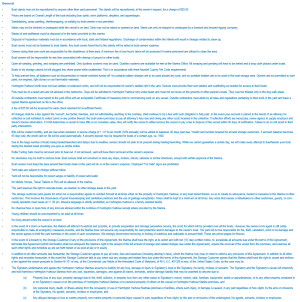
Typical marina rules (US). Note that items 11 and 12 basically prohibit running anything electrical on the boat when you are not there. Item 12 is a City ordinance, not a marina policy, and as such, they unplug unattended boats.

A few of these rules get bent (furled head sails stay on for a few weeks in the summer, not all batteries get disconnected) but most are quite firm.

Just sharing information and differences. Not sayin' ....


1763342124293.png
 
Top