Boat fire

oceanfroggie

Well-Known Member
Joined
21 Aug 2006
Messages
9,877
Location
EU27
www.derg.ie
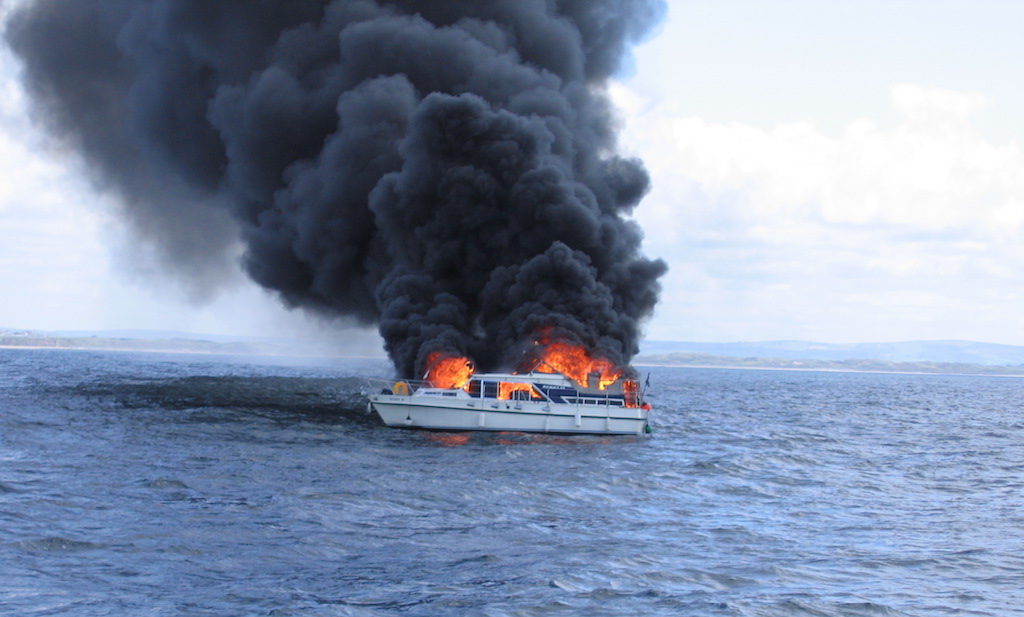
I will never forget the day on a CIC my friends boat burst into flames on Atlantic coast. The poole harbour thread prompted me to repost this lucky escape.

Primary lesson learned - wherever you are on board have PDFs close at hand (i.e. don't leave them below, or if below up top).

We came along side for one attempt at a dry transfer. There would have been NO time to go below to get their PFDs - Luckily they had them with them in the cockpit and were wearing then.
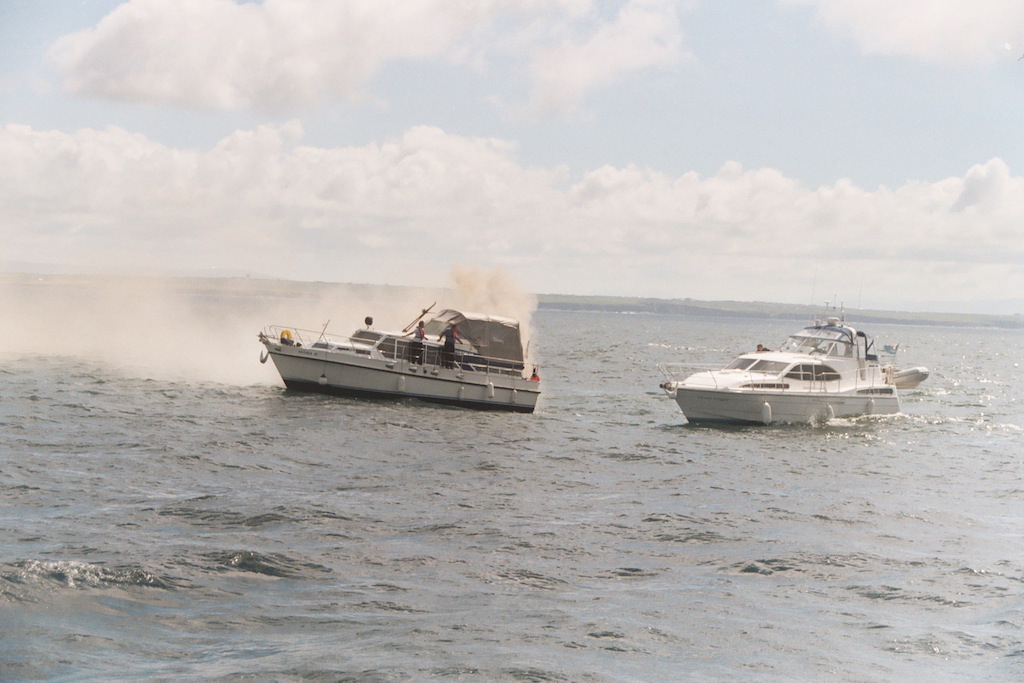
Fire2Brian.jpg


30 seconds later - Rescue from forward bow to bow as too dangerous to come alongside - risk of crush injury
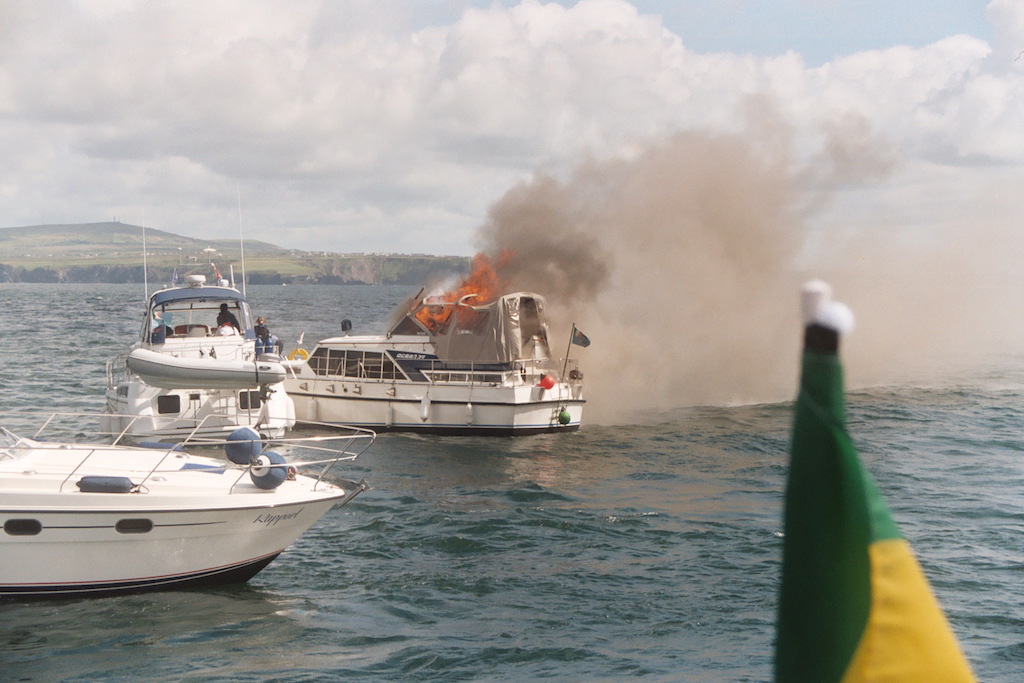
Fire3Brian.jpg


120 seconds after first photograph
IMG_0576Matt.JPG


Not something leisure boaters particularly want a close up view of! CG hell arrived 10 mins after we had got the crew off on to our vessel
IMG_0588.JPG


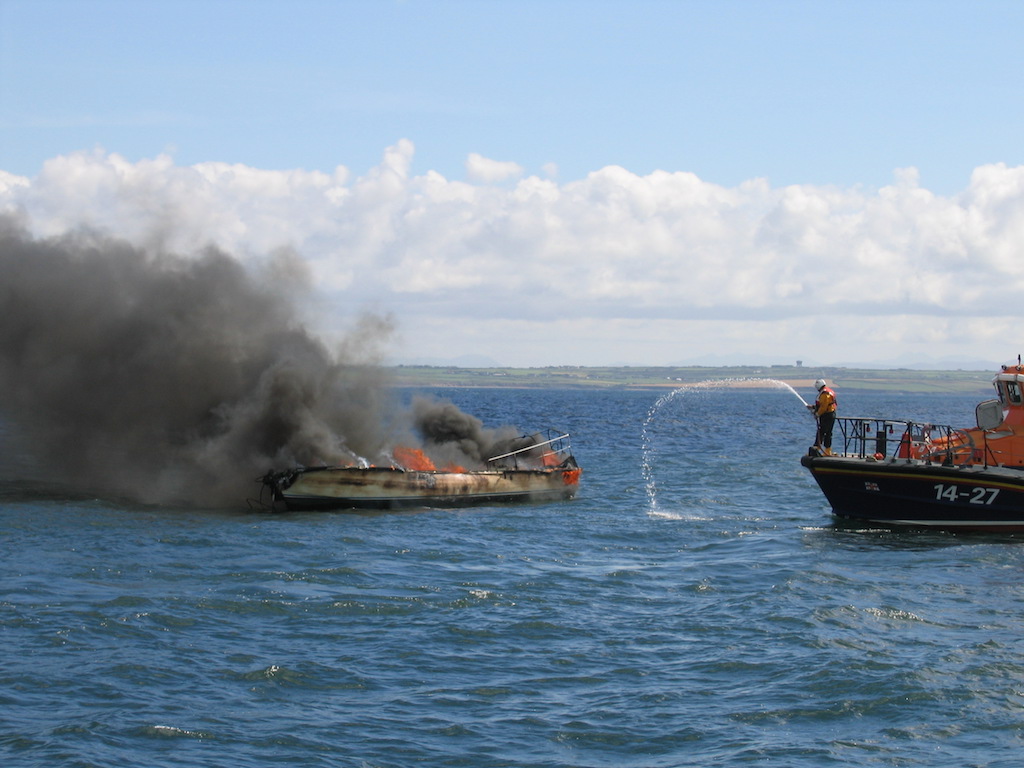
RNLI AWLB arrived after we had left with the rescued crew - hose needs a boost
IMG_0598.JPG


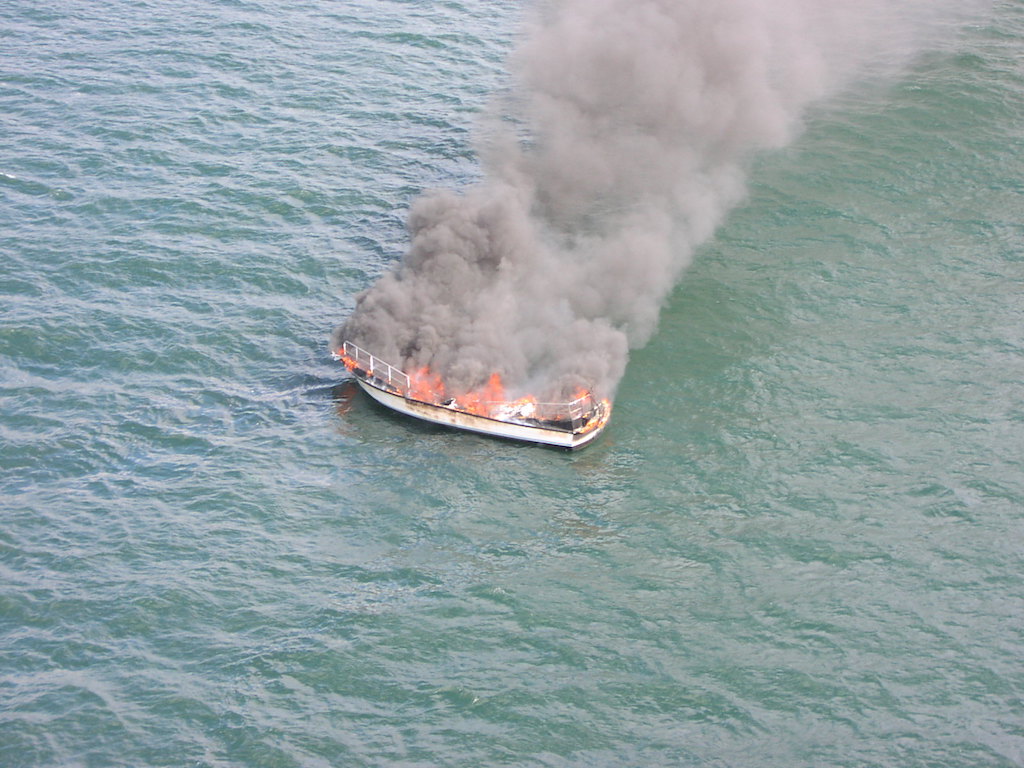
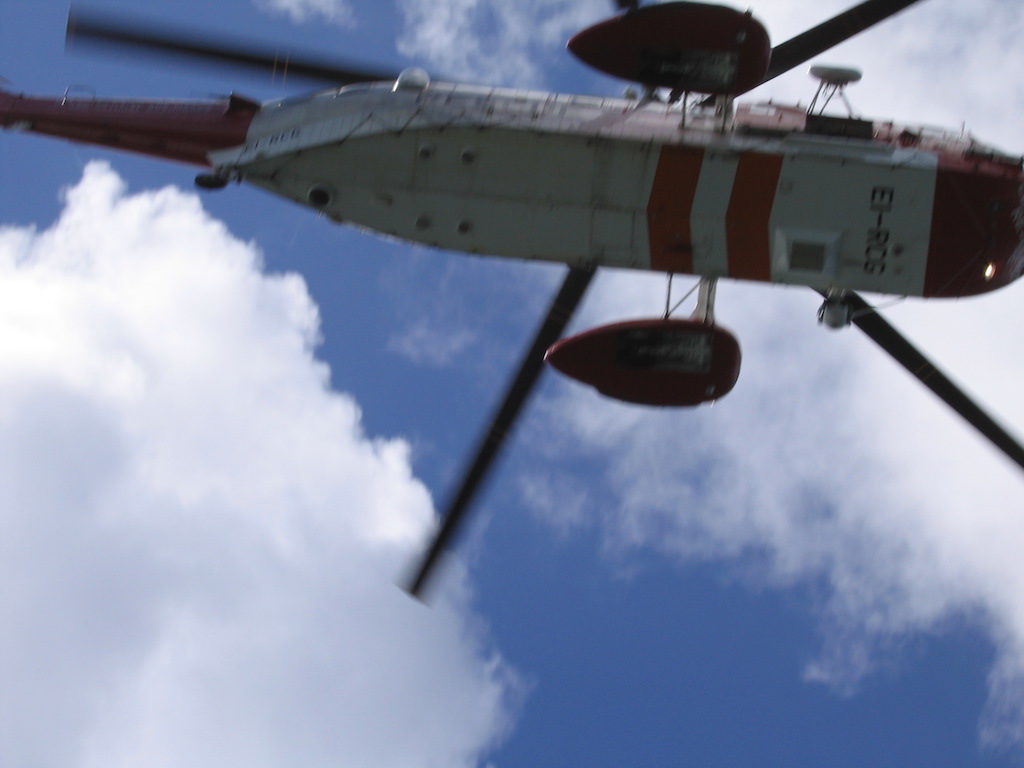
Aerial photo from CG heli
Regina-aflame2.jpg


Ever since then we ensure we are never in a separate cabin or space to our PFDs and at night we have a pair of PDFs in our cabin in case we were ever forced out through a hatch during the night.
 
Blimey, I can see why.
Congrats for the proper and immediate rescue maneuver, anyway.
I guess/hope that the CG heli arrived just because a mayday was issued, but nobody was actually injured?

We were very very fortunate the rescue went ok and that our two friends were NOT physically injured, but I can tell you it gave all of us one heck of a scare and still bothers me the odd time to this day.

It wasn't until afterwards we all started thinking about how many things could have gone wrong and how lucky we were it turned out ok in the end. Had they been travelling alone, there would not have been time to deploy the life raft which was inside the cockpit nor go below to get PDFs due to the speed of the smoke. Because it was the end of a lumpy 7 hour passage our pals had been wearing PFDs at the helm. It was a mercy no children had been travelling on board that afternoon because I shudder to think what might have happened had they been trapped below when the fire broke out.

We were very fortunate the timing of the swell enabled one successful attempt at a dry transfer. Had that failed or proved too dangerous the next option was to get them into the water which has inherent risks, and drop a tender to pick them up rather than risk MOB using the cruiser. The tender would have been 'softer' and more manoeuvrable. The whole thing still gives us the 'heebeegeebies' but we subliminally always have a fire escape plan, underway, even at night in a marina, or on the hook. Needless to say we now have smoke alarms on board in all cabins.
 
Last edited:
I suppose most people regard fire on the boat as something which happens to someone else.

I had my own experience a couple of years ago. We were at a popular anchorage late evening. Just back from a walk ashore.
Thought we would have a hot chocolate before turning in. Ours was a small 24ft boat with no fitted galley. We used a portable camping stove.
Bottle ran out and when changing to a fresh one it burst into flames.
The scary bit was the fire was between us and the exit. I threw the whole thing overboard. got a bit singed otherwise OK.
in the meantime one of the cabin cushions had caught fire. A lot of smoke very quickly. It went overboard. and kept burning.

Woke the whole anchorage up, a ferry stopped and several other skippers came over to help.
All in all very embarrassing.
Fortunately no injuries, my eyebrows not quite the same.
My daughter and wife went out the foredeck hatch, my son was a bit shook up feeling trapped.
No more stoves or gas lights inside.
Life jackets none of us thought to grab one on the way out. we did have an inflatable alongside.

Just last week a friend had a similar experience with a camp stove on a sport boat with friends. It blew up in a similar way.
Most of the jumped over board, one guy had the presence of mind the dump the stove overboard. even so all the seats caught fire.
They were with friends who picked them up and helped put the fire out. Fortunately they were able to transport the injured to shore and ambulances.
Three people ended up in hospital with 2nd and 3rd degree burns.
 
I suppose most people regard fire on the boat as something which happens to someone else.

I had my own experience a couple of years ago. We were at a popular anchorage late evening. Just back from a walk ashore.
Thought we would have a hot chocolate before turning in. Ours was a small 24ft boat with no fitted galley. We used a portable camping stove.
Bottle ran out and when changing to a fresh one it burst into flames.
The scary bit was the fire was between us and the exit. I threw the whole thing overboard. got a bit singed otherwise OK.
in the meantime one of the cabin cushions had caught fire. A lot of smoke very quickly. It went overboard. and kept burning.

Woke the whole anchorage up, a ferry stopped and several other skippers came over to help.
All in all very embarrassing.
Fortunately no injuries, my eyebrows not quite the same.
My daughter and wife went out the foredeck hatch, my son was a bit shook up feeling trapped.
No more stoves or gas lights inside.
Life jackets none of us thought to grab one on the way out. we did have an inflatable alongside.

Just last week a friend had a similar experience with a camp stove on a sport boat with friends. It blew up in a similar way.
Most of the jumped over board, one guy had the presence of mind the dump the stove overboard. even so all the seats caught fire.
They were with friends who picked them up and helped put the fire out. Fortunately they were able to transport the injured to shore and ambulances.
Three people ended up in hospital with 2nd and 3rd degree burns.

Two scary incidents. Glad your family escaped injury. Our hob was converted from gas to 220v some years ago, and I'm much happier without the gas.

A minor post script to our friends 'incident' is we no longer carry flares on board as they seem too much of a fire risk, and nowadays electronics seem a safer way to summon help in a distress situation. Accidental flare deployment inside vessels caused two serious fire incidents and burn injury over here in recent years.
 
I would feel that the lesson to be learned from the two "camp stove" incidents is not that properly installed gas systems are unsafe, but that it is dangerous to use portable camping stoves inside a vessel, or indeed inside a tent. They are intended to be used in the open air and have none of the safety features of a boat's gas system.
 
So is someone saying it was not a mayday for me it was
I can't see any post suggesting it wasn't.
In such situation, my only doubt would have been whether to actually waste any time with the VHF or run for cover PDQ.
And considering also that a boating mate was nearby, I would guess they did the latter, and rightly so! :encouragement:
 
The word "mayday" may not have been spoken. possibly because they could not get to the radio. Smoke and flames is a recognised distress. Fortunately for the OPs friends the OP and other's were near at hand. And someone called a relay.
In my case the radio was unreachable and I was dealing with the problem so I never called. Assistance came from fellow boaters anyway.
In my friends case I think it was 911 on a cell. Heading for the nearest dock in friends boat to summon the ambulance.

You do what works. Or at least what you can.

I had a hand held in addition to a fixed radio. It was in the chart table drawer. Along with the flare gun. By the time I thought of reaching for any my problem was solved.
The skipper from another boat brought his fire extinguisher and hand held over with him. He called to say everything under control. Fire on the water not a boat and no injuries.

Every situation is unique.
The reason I added my little story is. A simple lesson learned.
It can happen to anyone. When you least expect.

If the cause was foolishness on my part.
 
Re Mayday call, My pals had lost a lot of their 12v systems including VHF by the time they became aware that the vessel was on fire, so it was another vessel in our group that issued the Mayday call to the coast guard which was really helpful because every second counted and I was preoccupied with getting them off the burning vessel (i.e. spared me the time and concentration to handle VHF).

Ever since then, I keep a small 'grab bag' in the cockpit when underway containing HH VHF with spare dry cell battery pack, HH GPS, and a PLB. We now also leave the car keys and credit cards in the grab bag! That was one of the post trauma additional inconveniences our pals had (i.e. loss of car keys and credit cards).
 
Re Mayday call, My pals had lost a lot of their 12v systems including VHF by the time they became aware that the vessel was on fire, so it was another vessel in our group that issued the Mayday call to the coast guard which was really helpful because every second counted and I was preoccupied with getting them off the burning vessel (i.e. spared me the time and concentration to handle VHF).

Ever since then, I keep a small 'grab bag' in the cockpit when underway containing HH VHF with spare dry cell battery pack, HH GPS, and a PLB. We now also leave the car keys and credit cards in the grab bag! That was one of the post trauma additional inconveniences our pals had (i.e. loss of car keys and credit cards).

The small grab bag in cockpit is a good idea. And the small cockpit locker a good place for my hand held.
 

Other threads that may be of interest

Top